Vegetable Filled Icon: A Fresh Embroidery Design for Real Projects
As an experienced embroidery designer and product reviewer, I often find myself sifting through countless digital design packages to determine which ones are worth adding to my collection. The Vegetable Filled Icon caught my attention with its promise of versatility and quality across multiple file formats. But how does it truly perform in real-world embroidery projects? Let’s take a closer look from the perspective of someone who regularly uses machine embroidery designs for both personal and commercial work.
First Impressions and Visual Personality
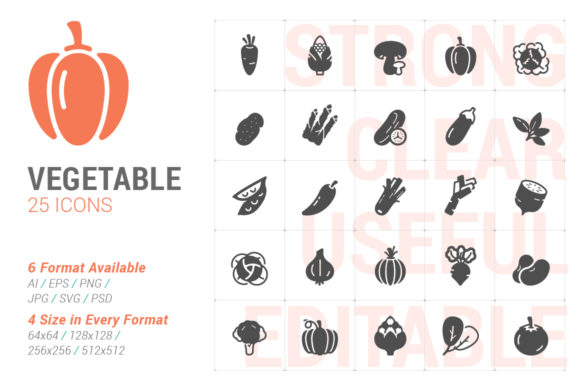
The Vegetable Filled Icon immediately feels like something crafted for a lifestyle brand or eco-conscious shop. Its layout is clean, modern, and playful at the same time. The shapes are simple yet stylized—think leafy greens, rounded tomatoes, and whimsical peppers—giving it a friendly, approachable vibe that works well for handmade products and branding. It doesn’t scream “organic,” but rather whispers it with a subtle, artistic tone that invites warmth and authenticity into any project.
What I appreciate most is the thoughtful use of negative space and how the filled areas are balanced without overwhelming the eye. This balance is crucial for machine embroidery, especially when considering stitch density and fabric compatibility. The detail level is just right for small-to-medium-sized items, and the overall theme feels cohesive, making it easy to pair with other design elements or text for logos and labels.
Real-Life Use Case: Custom Tote Bag Design
Let’s imagine a scenario where I’m creating a custom embroidered tote bag for a local farm-to-table boutique. The client wants something that represents their brand’s commitment to sustainability and natural ingredients. The Vegetable Filled Icon would be perfect here. Its vibrant icon style could be stitched onto a cotton canvas tote using a mix of satin stitch and fill stitch techniques to highlight the individual vegetables while maintaining a soft, handcrafted feel.
When I placed it on a mockup (using the provided .png and .svg files), it looked crisp and inviting. The colors were true to the original artwork, and the scalability allowed me to adjust the size for different placement options—whether as a large central motif or a smaller accent near the handle. For this project, I’d recommend using light-colored thread on a white or beige tote for maximum contrast and clarity.
How It Fits Into Different Embroidery Projects
- Custom Apparel: Great for sweatshirts, t-shirts, and baby clothes. The icon’s simplicity makes it ideal for front-and-center placement without becoming too busy.
- Embroidered Patches: Works well as a standalone patch design. The clear outlines and minimal details make it easy to stitch cleanly on a variety of patch bases.
- Boutique Branding: Perfect for aprons, pillow covers, and kitchen towels. The vegetable theme adds charm and aligns well with home goods and lifestyle brands.
- Holiday Gifts: Can be used as part of a seasonal collection, such as embroidered gift bags or holiday-themed apparel. Pair it with other icons or text for a festive touch.
- Printable Mockups: The included .psd and .ai files allow for seamless integration into digital previews and marketing materials, which is essential for Etsy sellers and online craft stores.
Where Caution Is Advised
While the Vegetable Filled Icon has many strengths, there are some scenarios where you might want to tread carefully. Here are a few considerations based on my experience:
- Small Hoop Sizes: If you're working with tight hoop spaces, such as for embroidered caps or tiny patches, the design may need resizing or simplification to avoid distortion.
- Textured or Stretchy Fabrics: On fabrics like denim, felt, or stretch knits, the fine lines and filled areas might not lay down as smoothly. Be sure to test stitch density and tension first.
- Detailed Corners and Tiny Elements: Some of the more intricate parts, like pepper seeds or leaf veins, require precise stitching and good lighting. These can become lost if not properly stabilized or if the fabric is too thin.
- Dark Fabric Backgrounds: While the design looks great on light backgrounds, placing it on dark fabric requires careful selection of thread colors to ensure visibility and impact.
- Frequent Washing: If the design will be on items like baby clothes or kitchen towels, check the thread durability and fabric choice to ensure long-term stitch integrity.
Design Notes for Practical Application
Here are some quick tips to help you get the most out of the Vegetable Filled Icon in your next embroidery project:
- Test First: Always stitch the design on scrap fabric before committing to a finished product. This helps identify issues with stitch flow or density.
- Review Thread Contrast: Make sure the thread colors stand out against the fabric. Darker tones may need lighter thread for visibility.
- Check Stitch Density: Especially in filled areas, adjusting stitch density can prevent puckering or excessive stiffness in the final product.
- Confirm Hoop Size: If the design comes with recommended hoop sizes, stick to them. Otherwise, resize carefully to maintain proportion and clarity.
- Inspect Small Details: Zoom in on the .svg files to see how each element translates into stitches. This can save you time during the setup phase.
- Use Proper Stabilizer: A tear-away or cut-away stabilizer is essential for preventing fabric shifting, especially on stretchy or layered garments.
- Consider Black & White Mockups: Before choosing thread colors, test the design in grayscale to ensure it still holds visual appeal and structure.
- Compare Light and Dark Backgrounds: Use the .jpg and .png files to visualize the design on various color schemes and decide what best suits your audience.
- Licensing Check: Since the product is intended for commercial use, always verify the licensing terms before selling finished products or digital assets.
Impact on Your Handmade Products and Brand
The Vegetable Filled Icon isn’t just another decorative applique design—it brings value to your creative process and final output. When applied correctly, it enhances the visual appeal of your handmade product by adding a sense of intentionality and care. Customers notice these subtle touches, and they can significantly boost buyer engagement and perceived professionalism.
In a custom sweatshirt project, for example, the icon becomes a focal point that tells a story about the garment—maybe it's for a family-friendly line of kids' wear or a wellness-focused brand. The design contributes to brand consistency by reinforcing a theme that customers can recognize and trust.
For personalized gifts like nursery decor or wedding favors, the Vegetable Filled Icon adds a layer of charm that sets your item apart from generic mass-produced goods. It elevates the giftability of the product and gives it a unique identity that resonates with buyers looking for meaningful, handcrafted items.
Final Thoughts for Creative Entrepreneurs
As a professional in the embroidery industry, I’ve seen too many designs fall short when moved from screen to fabric. The Vegetable Filled Icon, however, is one of those rare digital embroidery files that maintains its character and charm after being stitched. Whether you're a hobbyist experimenting with new ideas or an Etsy seller expanding your product line, this design offers a solid foundation for creativity.
Its flexibility across formats and sizes means you can adapt it to almost any project, from a small embroidered patch to a full-size tote bag graphic. Just remember to consider the practical aspects of your chosen fabric and thread combinations, and don’t skip the testing phase. With the right preparation, the Vegetable Filled Icon can become a valuable asset in your design toolkit.